By Theo Marlowe | Updated June 25, 2026
When a visit revolves around a hospital appointment, a clinic check-in, or a long wait in a family lounge, transportation stops being background noise. It becomes part of the trip’s operating system.
Should you take the bus and save money? Drive and keep control of the schedule? Book a ride-share and avoid parking friction? What if the appointment time moves, the weather turns, or someone in your group needs less walking and more predictability? Florence Nightingale put the emotional cost of uncertainty in plain language: Apprehension, uncertainty, waiting, expectation, fear of surprise
are not harmless side effects. They are part of the load.
That is why transportation deserves the same discipline you would give to lodging or packing. The U.S. Department of Justice ADA transportation guidance and the Federal Transit Administration’s accessibility resources both make the same basic point in different ways: access, timing, and clear information matter. If you are visiting a medical facility, your travel plan should reduce friction, not create a fresh layer of it.
In this guide, I will walk through the main transportation options visitors actually use, compare public transport with private vehicles, explain when ride-sharing makes sense, and give you a practical parking checklist. If you want more planning guides like this one, the blog index keeps the rest of the series in one place.
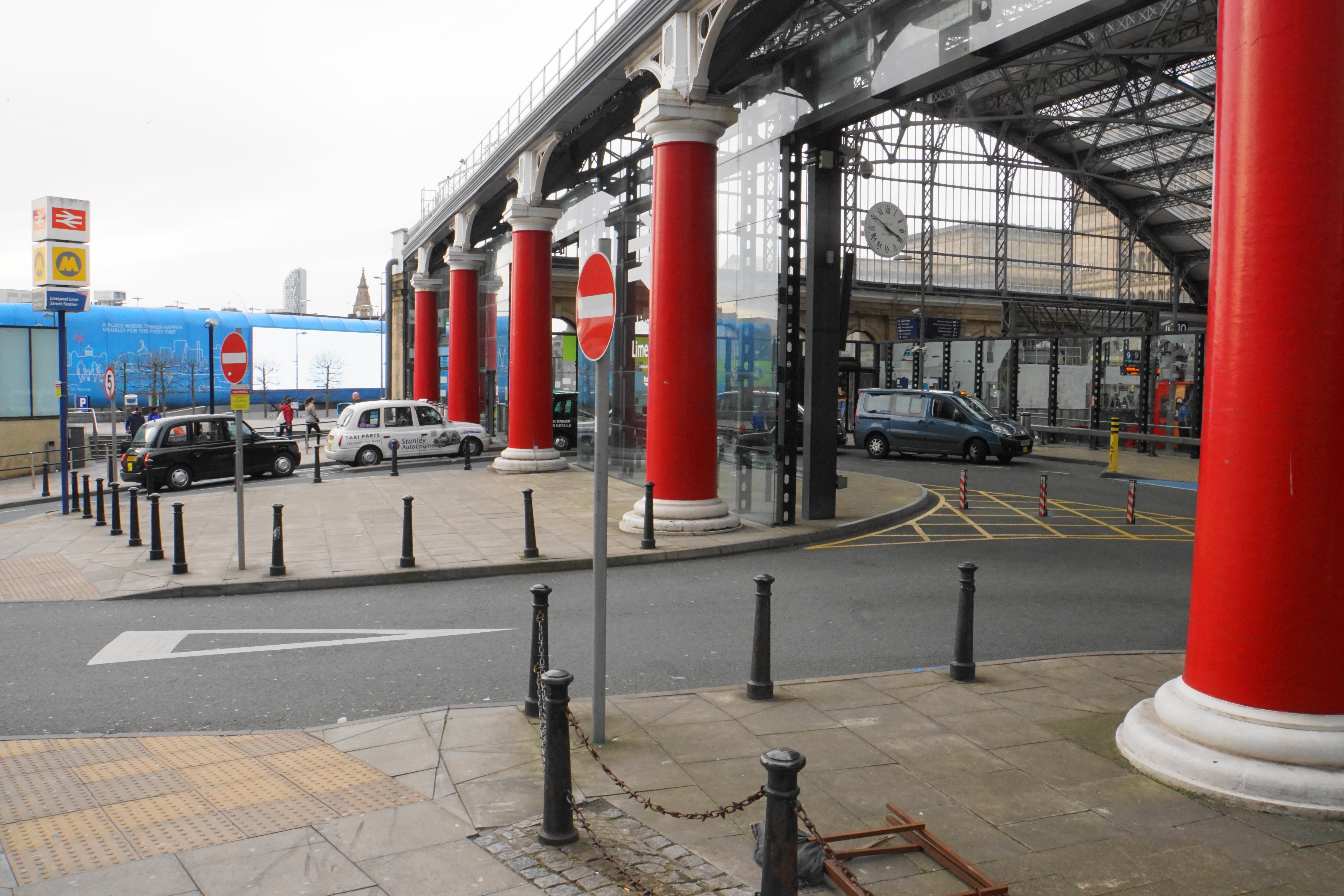
Transportation Terms That Actually Matter
Before comparing options, it helps to define the words that get thrown around loosely. A small amount of precision here prevents a lot of bad assumptions later.
- Public transport: Buses, trains, light rail, commuter rail, and other shared systems with fixed or semi-fixed routes.
- Private vehicle: Your own car, a family member’s car, a borrowed vehicle, or a rental.
- Ride-sharing: App-based rides booked through services such as Uber or Lyft, usually with on-demand pickup and drop-off.
- Drop-off zone: The curbside area where a rider can get out close to an entrance without committing to parking.
- Park-and-ride: A parking lot or garage where you leave a car and continue by transit or shuttle.
- Campus shuttle: A transportation service run by a hospital, medical district, hotel, or local transit partner.
The important distinction is not “cheap versus expensive.” It is “predictable versus fragile.” A trip that looks economical on paper can become expensive if it adds stress, distance, or repeated delays.
Overview of the Main Transportation Options
Most visitors end up choosing from five broad options: public transit, a private car, ride-sharing, hospital or hotel shuttles, or a mix of those modes. The right answer depends on who is traveling, how much walking is realistic, and how fixed the appointment schedule is.
Public transport
Public transport makes sense when the route is direct, the stop is close to the facility, and the traveler is comfortable with some schedule discipline. It is often the lowest-cost option and can be a good fit for solo visitors, students, and family members who already know the city well.
It can also be the least forgiving. If you are carrying bags, escorting someone with limited mobility, or arriving before dawn, the “cheap” option may be the one that drains the most energy. That is the hidden fee. It is not on the fare card, but it is real.
Private vehicle
A private vehicle gives you control. You choose the departure time, control the climate, keep supplies in the car, and avoid being stranded by a missed connection. For medical visits that involve multiple stops, caregiving, or uncertain discharge timing, that control can be worth more than the actual mileage.
The tradeoff is parking. Parking can be simple, or it can become a small administrative puzzle with gates, garages, validation, and a long walk to the right entrance. We will get to that in a moment.
Ride-sharing
Ride-sharing works well when you want flexible pickup, do not want to park, or need to leave the door-to-door logistics to someone else. It is especially useful when a visitor is unfamiliar with the area or when the facility sits in a dense district with awkward parking patterns.
It is not perfect. Surge pricing, driver availability, traffic, and app dependence all matter. Still, if you are comparing it against a complicated parking garage or a long walk from transit, ride-sharing often wins on simplicity.
Shuttles and assisted transport
Some hospitals, hotel partners, and transit districts offer shuttle service or coordinated medical-visitor transport. When it is available, it can solve the exact problem this article is built around: getting close to the right entrance without spending energy on the wrong part of the trip.
Because shuttle schedules are highly local, treat them as a bonus layer rather than a universal assumption. Ask about hours, pickup points, and whether the shuttle serves the entrance you actually need.
Public Transport vs. Private Vehicles
This is usually the real decision tree. The rest of the options are often variations on these two. If you get this comparison right, the rest of the trip gets simpler.
| Factor | Public Transport | Private Vehicle |
|---|---|---|
| Cost | Usually lower upfront | Higher because of fuel, parking, and possible tolls |
| Schedule control | Lower | Higher |
| Walking demand | Can be high if stops are not close | Usually lower if drop-off is available |
| Flexibility if plans change | Limited | Strong |
| Best use case | Short visits, predictable routes, budget-sensitive trips | Multi-stop days, caregivers, uncertain timing, mobility concerns |
When public transport is the smarter move
Public transport usually makes sense when the route is simple, the stop is nearby, and the traveler is comfortable with fixed timing. If the medical facility sits on a major line and the arrival and departure windows are generous, transit can reduce cost without making the trip harder.
It can also make sense for repeat visitors who already know the rhythm of the route. Familiarity matters. A stop that is confusing on day one can feel routine on day five.
To make transit more reliable, check the current route map, first and last trip times, elevator or accessibility status at stations, and the distance from the stop to the actual entrance. The FTA accessibility guidance is a good reminder that the system is only useful when the details are visible before you leave home.
When a private vehicle is worth the added cost
A private vehicle becomes the better system when the trip involves one or more of the following: early arrival, uncertain release timing, luggage, mobility limitations, weather risk, or multiple travelers who would otherwise need to coordinate a chain of transfers.
If the day has a high probability of changing shape, the car is often the more stable tool. Stability is a feature. It is not a luxury.
Example: a spouse dropping off a patient for surgery may not know whether pickup will happen at 2 p.m. or 8 p.m. Transit can work in theory, but a private car lets that person adapt without rebooking the day every time the hospital schedule shifts.
The accessibility question changes the answer
For visitors with mobility limits, the relevant question is not “which option is cheapest?” It is “which option produces the fewest transfers, stairs, and long walks?” A short walk on a normal day can be a bad plan after a procedure, during pregnancy, or when supporting someone who gets tired quickly.
The ADA transportation guidance is useful here because it pushes travelers toward information first: entrances, accessible features, and clear paths matter. In practice, that means asking not just whether the facility is “near” transit, but whether the route from transit to entrance is actually manageable.
Ride-Sharing Services: When They Help and When They Don’t
Ride-sharing sits in the middle of the spectrum. It is more flexible than transit and less operationally demanding than driving and parking. That is why it shows up so often in medical travel plans. It solves the uncomfortable middle of the problem: not enough certainty for transit, not enough patience for parking.
Why ride-sharing works well for medical visitors
- Simple pickup: You can book from the hotel, parking lot, or front door without a long search for a bus stop.
- Lower walking demand: You can get closer to the entrance than many parking spaces or transit stops allow.
- Flexible timing: You can leave when the doctor actually calls, not when the timetable says you should.
- Good for one-way trips: It is useful when you only need the ride in one direction, such as from the hotel to the facility.
Where ride-sharing gets weaker
Ride-sharing depends on the app, the market, and the time of day. That means it can be very good or mildly annoying, which is not the same thing as reliable. Early morning, late-night, and weather-heavy periods can change supply. So can special events, campus congestion, or the simple fact that everyone else had the same idea.
Do not assume the app will behave like a machine with a promise. It is a marketplace. Treat it like one.
Before you rely on it, check the current pickup options and any accessibility features in the app itself. The Lyft accessibility page is a useful example of how ride services present current information directly to riders. Whatever platform you use, verify the service the day before and again right before you leave.
Practical ride-share tips for medical trips
- Set your pickup location carefully. “Front entrance” is better than “somewhere near the hospital.”
- Use a landmark if the campus has multiple drives or towers.
- Build in extra time for busy medical corridors, especially during shift changes and morning check-ins.
- Keep the phone charged. A dead phone is a rude kind of logistics problem.
- If a traveler needs help getting in or out of the car, plan for that before the car arrives.
Example: a family member leaving an outpatient procedure may want the car to wait nearby while the patient is escorted out. That is not a luxury pattern. It is a decent way to reduce confusion when energy is low and the weather is inconvenient.
Parking Tips for Medical Visitors
Parking is where many seemingly simple plans reveal their structural flaws. The garage may be close on a map and inconvenient in practice. Fees may look manageable until they stack up over several days. A good parking plan makes the arrival and departure paths boring. Boring is good. Boring means predictable.
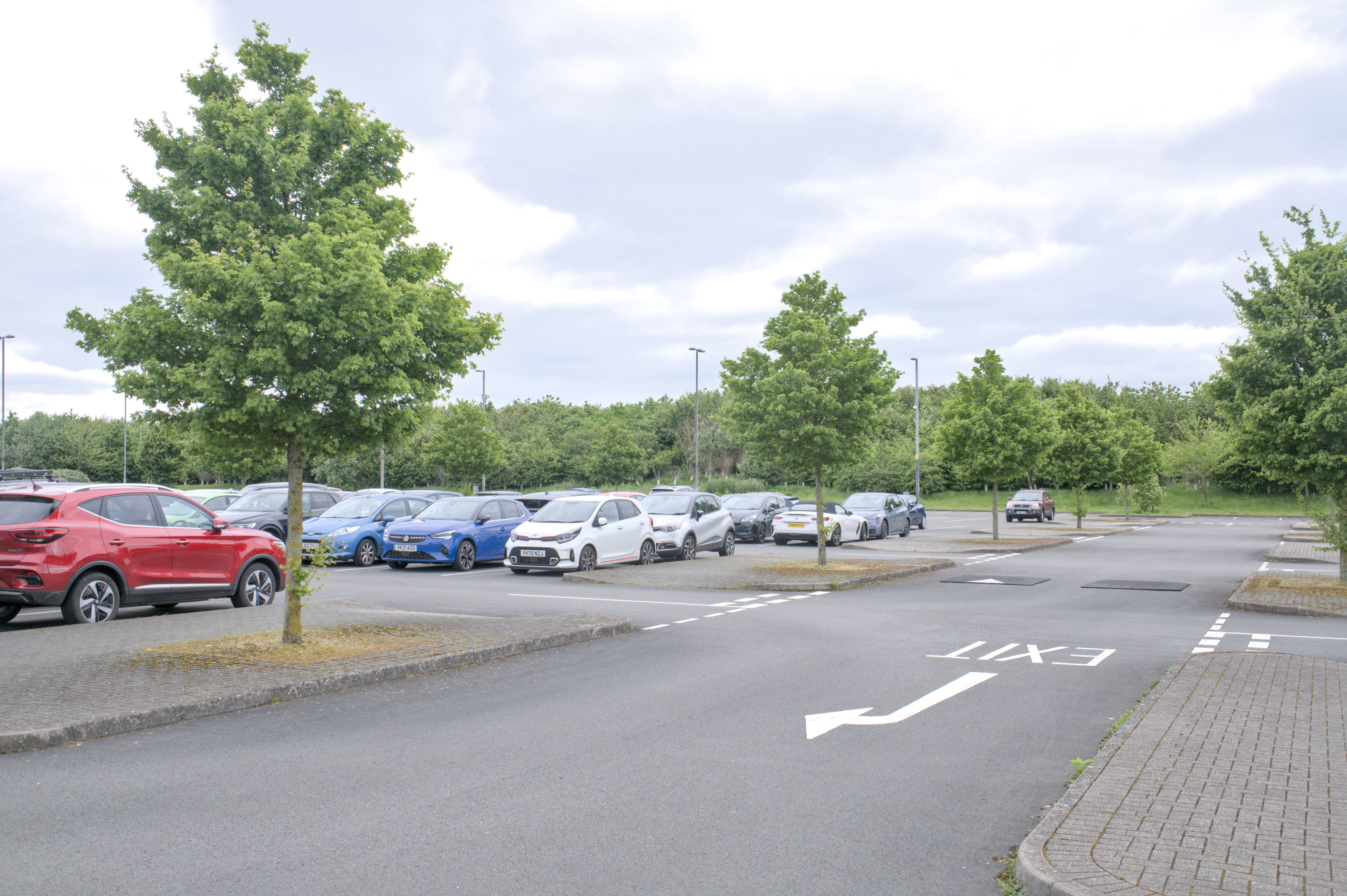
Start with the full parking workflow
Before you arrive, figure out these details:
- Which garage or lot is actually closest to the entrance you need
- Whether there is validated parking or a visitor discount
- Whether the lot allows in-and-out privileges
- How early the garage opens and how late it stays open
- Whether the entrance route is step-free or includes stairs
- How long the walk is from the parked car to the front desk or clinic desk
If the hospital has several buildings, do not assume every garage serves every entrance equally well. That is how people end up parked one district away from where they need to be.
Understand the fee structure before it starts asking questions
Parking fees can be simple or they can be a stack of tiny inconveniences with a price tag. A visitor might pay by the hour, by the day, by the visit, or through a validation system that only works if a specific desk stamps the ticket first. None of these models is impossible. They just need to be known in advance.
Example: a five-day visit with $18 daily parking is not the same as a five-day visit with one-time validation and easy re-entry. Total cost matters, but so does the amount of effort required to keep the discount alive.
For long stays, park like a person who plans to return
If the trip will last several days, think about parking as a repeating process, not a one-time event. Ask how after-hours access works, whether the car can stay in place overnight, and what to do if the stay unexpectedly extends.
Long-stay parking should be predictable enough that you stop thinking about it. If you have to re-learn the garage every evening, the garage is eating attention you need elsewhere.
Parking and mobility: the details that save energy
For visitors with limited mobility, the closest spot is not always the best spot. The best parking option is the one that minimizes stairs, awkward turns, long crossings, and hard-to-read signage. A few extra feet of distance can be fine if the route is smoother and safer.
That is why it helps to ask very specific questions before the visit:
- Is there accessible parking near the entrance I will use?
- Do I need to enter the garage from a particular side of the campus?
- Is there a covered path to the building?
- Can a passenger be dropped off before the car is parked?
- Is the parking structure monitored or staffed if the visit ends late?
When park-and-ride makes sense
Park-and-ride is useful when driving all the way to the medical district would be the hardest part of the trip. It lets you move the car from the long-haul portion of the journey to a more controlled final leg. That is often a win for visitors coming from farther away or for people who want to avoid congested clinic-area streets.
It is less useful if the last leg still requires a lot of walking, a transfer that is hard to manage, or a shuttle schedule that does not match your appointment time. Like every other transport system, it works only when the final mile is kind to the traveler.
A Simple Planning Matrix You Can Use Before the Visit
If you are still undecided, use a plain comparison table. The goal is not to make the decision clever. The goal is to make it obvious.
| Question | Transit | Private Car | Ride-Share |
|---|---|---|---|
| Is the route fixed and predictable? | Best if yes | Works either way | Usually yes |
| Will the schedule change? | Harder to absorb | Absorbs changes well | Absorbs changes reasonably well |
| Is walking a concern? | May be a problem | Usually easier | Usually easiest |
| Is parking expensive or confusing? | No parking needed | Can be the weakest part | No parking needed |
| Is the trip a multi-day stay? | Possible, but less flexible | Often practical | Often practical, especially one-way |
If you want the shortest answer, use this rule: choose the option that removes the most uncertainty for the least effort. That is the right metric for a medical visit.
Questions Worth Asking Before You Leave
One short call or one careful check can prevent a lot of wasted movement. Before you head out, ask yourself these questions:
- Which entrance should I actually use?
- How long is the walk from drop-off or parking to that entrance?
- What happens if the appointment runs late or ends early?
- Do I have a backup if transit is delayed or the ride-share wait is long?
- Have I saved the clinic address in the phone, not just the facility name?
Example: a visitor may know the hospital name but not the right tower or parking deck. That is how perfectly reasonable plans drift into avoidable confusion. The fix is simple: pin the exact destination before the trip starts.
How I Would Build the Transportation Plan
If I were setting this up for a family member or a guest, I would treat it like a small workflow, not a travel fantasy. The sequence is straightforward.
- Identify the exact medical destination. Not the campus name, the entrance or building.
- Decide whether walking, parking, or transfers are the real constraint.
- Choose the mode that reduces that constraint the most.
- Verify the route with a second source or a direct call.
- Save the backup option before the day starts.
That is not overengineering. It is just refusing to let transportation become the part of the visit that behaves like a surprise box.
Final Thoughts
Transportation for medical visits is less about finding the “best” option in the abstract and more about finding the one that fits the day you actually have. Public transit can be efficient, especially when the route is simple and the traveler is comfortable with fixed schedules. A private vehicle can be worth the cost when the day is uncertain or mobility is a concern. Ride-sharing often splits the difference by removing parking and transfers, while parking itself deserves careful attention because the wrong garage can quietly consume time and energy.
The right transportation choice is the one that lowers friction before and after the appointment, not just during the ride. That is the standard I would use every time. If you are still mapping out the rest of the visit, the blog index collects more practical planning guides, and the same rule applies there: reduce uncertainty first, then worry about the nice-to-have details.